Coldharbour Lane Brixton removals guide for narrow access homes
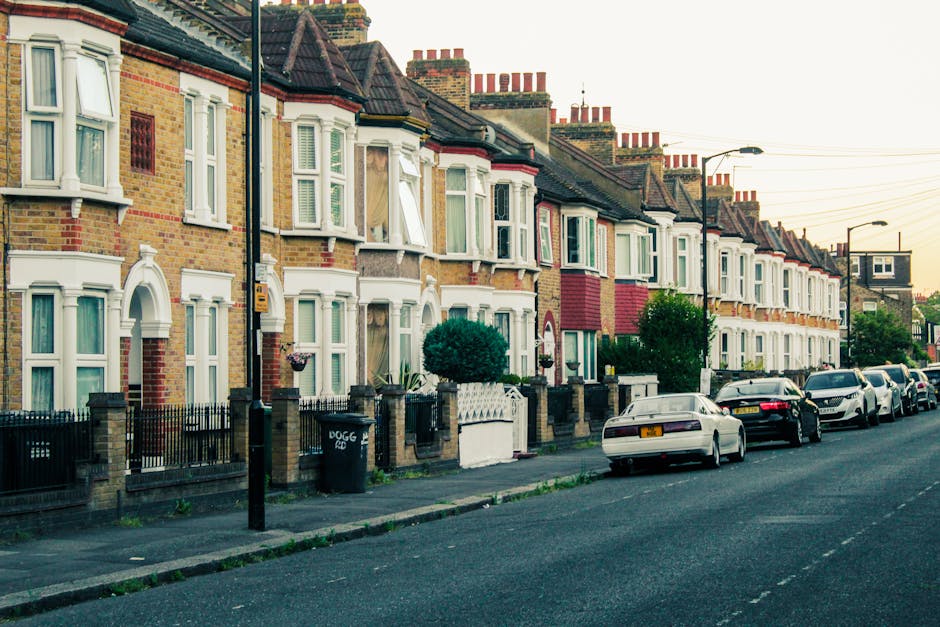
Moving house is stressful enough without having to thread a sofa through a tight hallway, down a narrow staircase, and out onto a busy South London road where parking is already a bit of a battle. If you are planning a move on Coldharbour Lane in Brixton, and your home has narrow access, this guide is built for exactly that situation. The aim is simple: help you avoid the awkward surprises, protect your belongings, and make the day feel organised rather than chaotic.
In practice, narrow access moves are less about brute strength and more about planning. Measure first. Choose the right vehicle. Know where the awkward corners are. And be honest about the limits of the property. That sounds obvious, but you would be surprised how many moving-day headaches come from one missed staircase turn or a van that is just too large for the street. This Coldharbour Lane Brixton removals guide for narrow access homes walks through the details that actually matter, with a local, real-world focus.
Why Coldharbour Lane Brixton removals guide for narrow access homes Matters
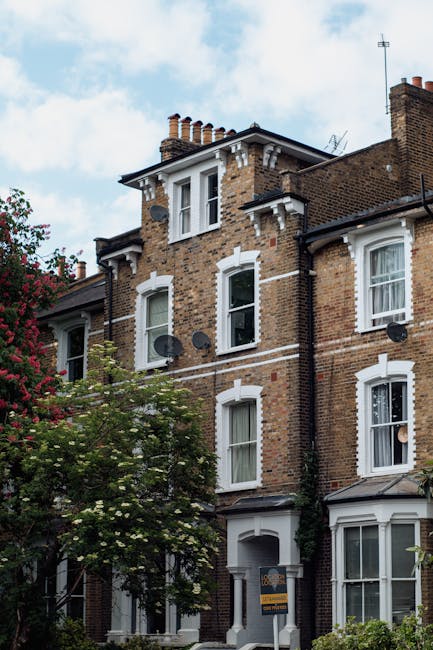
Coldharbour Lane is the kind of place where a removal can become complicated very quickly. You may be dealing with terraced properties, maisonettes above shops, basement flats, converted buildings, shared entrances, and tight internal stairwells. Sometimes it is the street itself. Sometimes it is the last ten feet inside the building that causes the problem. Truth be told, that is where a lot of the friction lives.
Narrow access matters because removal work is physical, spatial, and time-sensitive all at once. If access is tight, every extra minute spent carrying furniture increases the chance of knocks, wall scuffs, tiredness, and frustration. Add in weather, neighbours, parking limits, and the usual Brixton traffic, and the margin for error shrinks even more.
Good planning reduces three common risks:
- Damage risk to furniture, bannisters, plaster, and door frames.
- Delay risk from blocked access, poor parking, or the wrong vehicle size.
- Stress risk from everyone trying to improvise under pressure.
If you are comparing service options, it can help to look at the wider range of moving support available through removals, home moves, or a more flexible man and van approach, depending on the size of your load and how restricted the property access is.
Expert summary: For narrow access homes, the best move is usually the one that is measured twice, booked with the right vehicle, and packed so that the first item out is not the one everyone has to wrestle with sideways through a doorway.
How Coldharbour Lane Brixton removals guide for narrow access homes Works
A narrow-access move is not a special category in the legal sense. It is simply a move that needs more preparation than a standard driveway-to-driveway job. The process usually starts with an access assessment. That means looking at the route from van to front door, and from front door to loading point, and asking practical questions: How wide are the hallways? Are there tight turns? Is there street parking close enough? Can larger items be removed without being dismantled?
Once that is clear, the move can be planned around the property rather than forcing the property to fit the move. That sounds like a small thing, but it changes everything. A smaller van might be better than a larger one. Two lighter trips might be easier than one impossible load. Packing may need to be adapted so that items can be carried one by one instead of stacked and jammed together. Small stuff, yes, but it adds up.
For many households, the work is best handled by an experienced team that already understands tight London streets and awkward building layouts. If you want a broader service overview, removal services and removal company pages are useful starting points for comparing what level of support you actually need.
In a normal narrow-access move, the day often follows this rhythm:
- Arrival and access check.
- Protection for door frames, floors, and fragile corners.
- Item-by-item removal, often starting with bulky pieces.
- Careful loading, with weight and order planned to avoid rehandling.
- Final sweep, sign-off, and any last-minute adjustments.
That may sound neat on paper. On the day, there is usually a little more walking back and forth, a bit of pausing in a doorway, and the occasional "hang on, this might need to go sideways". That is normal. The goal is not perfection; it is control.
Key Benefits and Practical Advantages
The biggest advantage of proper narrow-access planning is that it keeps the move manageable. You do not need to hope for the best. You know what the constraints are, and you work with them. That shift in mindset alone can make the day feel far less overwhelming.
Some of the most useful benefits are practical rather than glamorous:
- Less handling, less damage because items are carried in a planned order.
- Better vehicle choice because the van size is matched to the street and access.
- Cleaner timing because the crew knows where bottlenecks may occur.
- More predictable costs when access challenges are disclosed early.
- Less neighbour disruption because loading is done efficiently and politely.
There is also a psychological benefit, and honestly it is not small. When you know the movers understand the layout, you stop feeling like you need to supervise every movement. You can focus on the keys, the meter readings, the last packed box, the cat, all of it. Life is already noisy enough.
For households that want help with the packing side too, packing and unpacking services can reduce stress considerably, especially when access is awkward and items need to be prepared in a very specific order.
Who This Is For and When It Makes Sense
This guide is for anyone moving from or to a property on or near Coldharbour Lane where the access is not straightforward. That might include first-floor flats with steep stairs, basement properties with a narrow entrance, homes above commercial units, shared hallways, or houses with tight front rooms and narrow internal doors. It also applies if the street access is the real issue, not the building itself.
It makes particular sense if you:
- have large furniture that may need partial dismantling;
- live on a road where parking is limited or loading is awkward;
- are moving with children, pets, or a time-sensitive schedule;
- need a more flexible option than a full-size lorry;
- want a less disruptive move for neighbours and neighbours-in-the-making, if you know what I mean.
This is also useful for people who are not quite sure whether they need a full house removal or something lighter. In many cases, the right fit is somewhere between a dedicated house move and a small-load service such as man with van or man and van removals. The right choice depends on volume, access, and how much help you want with lifting and carrying.
A quick rule of thumb: if the property has awkward stairs, slim doorways, or a loading area that makes turning difficult, tell the company early. Early, not on moving day. That bit matters.
Step-by-Step Guidance
If you want the move to run smoothly, break it into stages. Trying to solve access problems on the day is where things start to wobble.
1. Measure the access properly
Measure door widths, hallway corners, stair landings, lift dimensions if relevant, and the size of any major furniture. Do not guess. A tape measure and a few minutes can save a lot of swearing later. If the sofa is 15 centimetres too wide for a corner turn, you want to know that before the van arrives.
2. Check the street situation
Look at where a van could realistically stop, unload, and turn away. On busy London roads, the best loading point is not always directly outside the front door. You may need a short carry from a safer stopping position. Build that into the plan.
3. Decide what must be dismantled
Bed frames, wardrobes, shelving, and some tables often travel better in pieces. Label screws and fittings in bags. Tape them to the correct item if you can. Slightly boring, yes, but very effective.
4. Pack for carryability, not just storage
Heavy boxes are a classic mistake. In narrow access homes, a box that is too heavy becomes awkward fast, especially on stairs. Use smaller boxes for books, and avoid overfilling them. That is one of those things people know in theory and forget in practice.
5. Choose the right vehicle
Not every move needs a large removal truck. In a tight Brixton street, a smaller moving van or removal van may be the smarter choice. If the access is very restricted, a compact vehicle can save time because it is easier to park and manoeuvre.
6. Protect the property
Floors, corners, and bannisters should be protected before the first large item moves. This is especially important in older properties where walls and woodwork mark easily. It is a bit like putting a raincoat on the house for the day.
7. Keep a final essentials bag
Keys, chargers, medication, kettle supplies, documents, snacks, and a change of clothes should be kept separately. You do not want those buried in the back of the vehicle while everyone is standing around asking where the kettle went. Happens all the time.
Expert Tips for Better Results
Small decisions make a big difference on narrow-access jobs. Here are the ones that tend to pay off most often.
- Send photos of the access before the move. Doorways, stairs, outside parking, and any awkward corners all help with planning.
- Be honest about the "problem" furniture. If the wardrobe is unstable, oversized, or built in a way that makes it awkward, say so early.
- Keep walkways clear. Shoes, plant pots, recycling boxes, and the usual clutter all slow things down.
- Plan for time, not just distance. A short move on paper can take longer if access is tight.
- Use labels that mean something. "Kitchen glassware" is better than "misc". Much better.
Another useful tip: if your move is happening on a damp morning, give the entrance and hallway a quick check for wet patches. Narrow hallways and slippery flooring are not a great combination. The crew will notice, of course, but a little prevention saves hassle.
For larger or mixed moves, it can also help to compare broader support options such as movers, house movers, or full house removals if you are relocating most of a home rather than just a few bulky items.
Common Mistakes to Avoid
Narrow-access removals usually go wrong for predictable reasons. Luckily, most of them are avoidable.
- Leaving access questions until moving day. By then, options are limited.
- Assuming a larger van is always better. It often is not. Parking and turning matter.
- Overpacking boxes. A box of books can become a mini injury waiting to happen.
- Forgetting internal measurements. The sofa might fit the room but not the stair landing.
- Not telling the movers about shared entrances or timed access restrictions. Those details change the entire loading plan.
- Trying to move everything assembled. Sometimes that is the slowest, riskiest approach.
The biggest mistake is probably optimism without evidence. We have all done it. "It'll be fine" is a lovely phrase, but it is not a moving strategy.
Tools, Resources and Recommendations
You do not need a warehouse of specialist kit, but a few basic tools make narrow-access moves far easier.
- Tape measure for doors, stairs, and furniture dimensions.
- Furniture blankets to protect polished surfaces and corners.
- Strong tape and marker pens for labelling boxes and dismantled parts.
- Mattress covers and wardrobe bags to keep bulky items clean.
- Anti-slip gloves for safer handling, especially in damp weather.
- Basic toolkit for dismantling beds, shelving, and flat-pack furniture.
For people who want a more hands-off move, it can be worth combining transport with furniture pick up or a carefully planned man and van removals service, especially when access is too tight for larger vehicles and you do not have the time or muscle for repeated trips.
And if the move is happening alongside a business relocation or mixed-use property move, you may want to compare commercial moves and office removals too, because some buildings on busy roads have similar access issues whether they are residential or not.
Law, Compliance, Standards, or Best Practice
For home removals in the UK, the main compliance focus is usually health and safety, safe lifting, insurance, and reasonable care of property. There is no single magic rule that covers every narrow-access move, so best practice matters a lot.
At a practical level, a reputable removals team should be thinking about:
- safe manual handling and team lifting;
- protecting floors, walls, and door surrounds;
- clear communication about access limitations;
- appropriate vehicle loading and load restraint;
- careful handling of fragile or oversized items;
- insurance and the terms of service before work begins.
If you want to review service policies before booking, the company's health and safety policy, insurance and safety, and terms and conditions are sensible places to start. That is not red tape for the sake of it. It is just good housekeeping, really.
You should also expect clarity on how payments are handled. A reliable provider will explain quoting, booking, and payment processes clearly, and the relevant pages such as pricing and quotes and payment and security can help you understand what to ask before confirming anything.
Options, Methods, or Comparison Table
Not every narrow-access move needs the same setup. The right method depends on how much you are moving, how tight the access is, and how much help you want on the day.
| Option | Best for | Strengths | Limitations |
|---|---|---|---|
| Man and van | Smaller home moves, single loads, awkward access | Flexible, often easier to park, good for short-notice support | Less suited to large household contents or full-day moves |
| Moving van | Moderate moves with tight access | Good balance of capacity and manoeuvrability | May need multiple trips if the load is large |
| Removal van / removal services | Standard home removals with planning support | More structure, suitable for a fuller service | Needs careful access planning in narrow streets |
| House removals | Full property moves | Best for larger homes, packed schedules, and end-to-end support | Can be overkill for very small or highly restricted access jobs |
There is no "best" option in the abstract. The best one is the one that fits your property and your timeline. That is the real answer, even if it is less tidy than people like.
Case Study or Real-World Example
Here is a realistic example. A couple moving out of a top-floor flat near Coldharbour Lane had a sofa, a double bed, a dining table, and around thirty boxes. The staircase was narrow, the landing turned sharply, and street parking was limited to a brief loading window. On paper, it looked like a simple half-day move. In reality, it needed careful sequencing.
The team measured the sofa before arrival and realised the easiest route was not the obvious one. The legs came off, the route through the stairwell was protected, and the largest items were moved first while the daylight was good. Boxes were loaded by room, not by who packed them fastest. Small thing, but it saved time at the other end.
What made the move work was not extra force. It was clarity. The couple had sent photos of the hallway, explained the parking restrictions, and flagged the awkward corner in advance. So the movers arrived ready. No drama, no guessing, no "we'll just see".
That kind of preparation is what turns a stressful narrow-access move into an ordinary, manageable one. Maybe not glamorous, but very effective.
Practical Checklist
Use this checklist before moving day. It keeps the essentials in one place and helps you spot missing pieces early.
- Measure doors, stairs, hallways, and large furniture.
- Take photos of the access route and any tight spots.
- Confirm where a van can stop and how long loading may take.
- Decide what needs dismantling.
- Pack heavy items into smaller boxes.
- Label boxes clearly by room and priority.
- Protect floors, corners, and bannisters.
- Keep essentials separate and easy to reach.
- Share any building rules, time windows, or shared-entry issues.
- Check booking details, payment terms, and insurance cover.
- Have a fallback plan if parking is tighter than expected.
If you are still comparing moving options, a sensible next step is to review removals near me and then narrow it down based on access, load size, and the amount of handling support you want.
Conclusion
A narrow-access move on Coldharbour Lane does not have to be a headache. It just needs the right kind of preparation. Measure the space, be realistic about parking, choose a vehicle that fits the street as well as the load, and pack with carrying in mind. Once those basics are handled, the day becomes much more predictable.
The main lesson is simple: tight access punishes guesswork, but it rewards planning. If you take away one thing from this guide, let it be that. A little extra care up front can save a lot of awkward lifting, time pressure, and scratched woodwork later on.
Get a free quote today and see how much you can save.
And if you are feeling a bit boxed in by the whole thing, fair enough. Most people do at first. But with the right plan, even a tricky Brixton move can feel surprisingly calm by the end.
Frequently Asked Questions
What counts as narrow access in a Brixton home move?
Narrow access usually means any route that makes carrying furniture or boxes awkward: slim doorways, tight staircases, small landings, limited street parking, or awkward entrances above shops and flats.
Do I need a smaller van for a narrow-access move?
Often, yes. A smaller vehicle can be easier to park, load, and manoeuvre on a busy road. That said, the right choice depends on the amount you are moving and how far the carry is from the property.
Should I dismantle furniture before the movers arrive?
If a bed, wardrobe, or table is bulky or awkward, dismantling usually helps. It is especially useful where stair turns or hallway corners are tight. Keep fixings in labelled bags so reassembly is straightforward.
How do I prepare a property with very tight stairs?
Measure the stairs and landings, clear obstacles, protect the walls and banisters, and tell the movers about any difficult turns. Photos are useful too. They give a clearer picture than a description over the phone ever will.
Is a man and van service enough for a narrow-access home?
It can be, especially for smaller loads or highly restricted access. For fuller house moves, you may need a more structured service such as broader house removals or a larger moving team.
How far in advance should I mention access problems?
As early as possible. The earlier the mover knows, the easier it is to plan the right van, parking approach, crew size, and carrying method.
What should I tell the removals team about Coldharbour Lane specifically?
Tell them about parking limits, loading access, traffic pressure, any shared entrances, and whether the property is up a staircase, above a shop, or down a basement level. Those details make a real difference.
Can narrow-access moves cost more?
They can, depending on the extra time, crew effort, vehicle choice, and distance from the van to the property. Clear information upfront is the best way to keep pricing fair and realistic.
What items are most difficult in a narrow-access move?
Sofas, mattresses, wardrobes, appliances, and glass tables often cause the most trouble. Large or fragile items usually need the most planning and protection.
What is the safest way to move heavy boxes downstairs?
Use smaller boxes, keep loads balanced, and avoid overfilling them. In practice, two manageable boxes are safer than one heroic box. Heroic boxes are, frankly, a bad idea.
Do I need to book packing help as well as transport?
If you are short on time or the access is especially awkward, packing help can make the whole move much easier. It reduces handling mistakes and helps keep everything organised for loading and unloading.
Where can I find more information about service standards and company policies?
You can review the company's own information on about us, health and safety, and privacy policy if you want a clearer picture before booking. It is always sensible to read the basics first.