Health and Safety Policy for Removal Companies Brixton
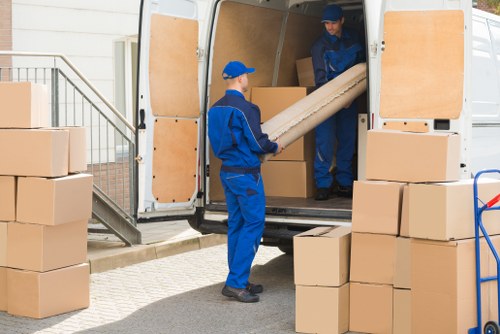 Health and safety is central to every successful move. For a removal company, protecting staff, customers, and property is not only a legal duty but also a practical way to keep work efficient, organised, and professional. This policy sets out the standards expected across all stages of a move, from planning and loading to transport and unloading.
Our approach applies to all types of removals services, including domestic moves, office relocations, and specialist item handling. Each job carries different risks, so risk assessment, careful preparation, and clear communication are essential. By following consistent procedures, a house removal company can reduce accidents, prevent damage, and support a safer working environment.
 The company will ensure that all operatives are trained to work safely, use equipment correctly, and report hazards immediately. We expect a culture where safety is prioritised over speed, and where every member of the team understands their responsibility to themselves and others.
Before any move begins, a suitable and sufficient risk assessment must be completed. This should identify hazards such as heavy lifting, awkward access, stairs, poor lighting, slippery surfaces, traffic movement, and fragile or hazardous goods. Where necessary, controls will be introduced, including additional staff, protective materials, lifting aids, or revised loading plans.
All workers involved in a moving company operation must wear appropriate personal protective equipment, including safety footwear, gloves, and high-visibility clothing where required. PPE must be maintained in good condition and used correctly. Clothing should allow freedom of movement while reducing the chance of trips, snags, or cuts.
 Manual handling remains one of the biggest risks in the removals sector. To reduce injury, team members must assess the weight, shape, and stability of each item before attempting to lift it. Where an object is too heavy, bulky, or difficult to grip, staff should use trolleys, straps, dollies, or team lifts. Removal specialists must never be pressured to lift unsafely.
Vehicles used by the removal company must be roadworthy, loaded correctly, and secured to prevent shifting during transit. Drivers are responsible for checking load distribution, mirrors, lights, tyres, and fuel levels before departure. Any defects or concerns must be reported and addressed before the vehicle enters service.
At customer premises, safe working practices must be followed at all times. Hallways, staircases, and entrances should be kept clear where possible, and boxes should never be left where they create a trip hazard. Protective coverings may be used to reduce the risk of scratches, dents, or slips on floors and surfaces.
Particular care is needed when handling specialist removals, such as antiques, pianos, artwork, electronics, and glass items. These objects often require bespoke packaging, coordinated lifting, and extra supervision. Staff must not improvise methods that could compromise safety or damage the item. Where specialist equipment is required, it must be suitable for the task and inspected before use.
Communication is a key part of safe working. Team leaders must give clear instructions before, during, and after a move, especially when operating in confined spaces or around obstacles. Standard hand signals or verbal commands should be used when visibility is limited. If a situation becomes unsafe, work must stop until the hazard is controlled.
Accidents, near misses, and hazards must be reported promptly so they can be investigated and learned from. This includes minor injuries, damaged property, vehicle incidents, or unsafe conditions at site. Records should be maintained to help identify patterns and improve controls across future jobs.
The company also expects a high standard of hygiene and welfare. Drinking water, rest breaks, and reasonable access to facilities should be provided where practical. Staff should be encouraged to work in a way that avoids fatigue, as tired workers are more likely to make mistakes or suffer injury.
 For any removals company, maintaining equipment is just as important as training people. Straps, blankets, ramps, lifting tools, and moving vehicles must be regularly inspected and replaced when worn or damaged. Defective equipment must be taken out of use immediately. Proper maintenance helps ensure that every move is carried out safely and consistently.
Fire safety, security, and emergency preparedness are also part of this policy. Staff should know how to respond to vehicle breakdowns, property emergencies, fire alarms, or medical incidents. Emergency exits must remain accessible, and workers should be aware of basic evacuation procedures wherever they are operating.
The company will review this policy regularly to make sure it remains effective and relevant. Reviews will take account of incident reports, changes in work practices, and updates to good industry standards. By keeping safety procedures current, a man and van removals service or larger fleet-based operation can continue to protect people and property.
 In summary, this health and safety policy supports a reliable, responsible, and professional approach to removal services. It applies to every worker, subcontractor, and supervisor involved in our operations. All staff are expected to follow the policy, challenge unsafe practice, and contribute to a working environment where risks are managed properly and every move is completed safely.